Our Founders win prestigious award!

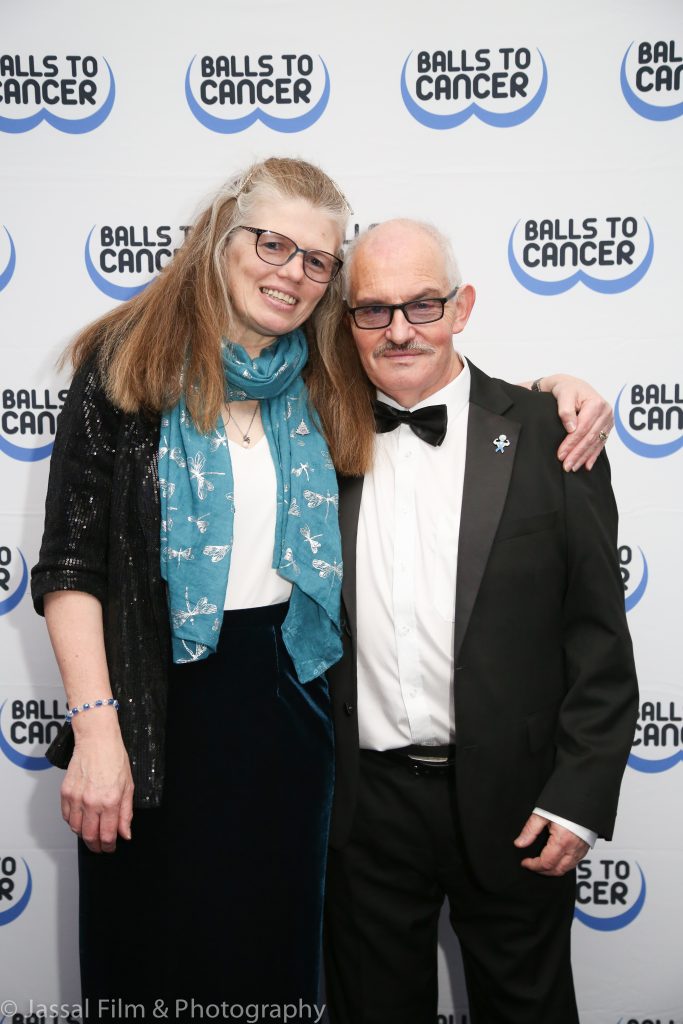
On Monday 7th March our founders Susan and Mark Bates were awarded a “Pride of Birmingham ” award for their work with Balls to Cancer.

The star studded red carpet event was held at the beautiful Great Hall at the Birmingham University.

Susan and Mark were awarded the TSB Community Heroes award. This is a special award that TSB the sponsors of the event choose for someone they believe make a big difference to people’s lives.

The night was hosted by the amazing Kym Marsh and they received their award from Wolves Captain Conor Coady, Birmingham City legend Troy Deeney and the hilarious Comedian Darren Harriott.

Christmas ball 2020 The official photos….

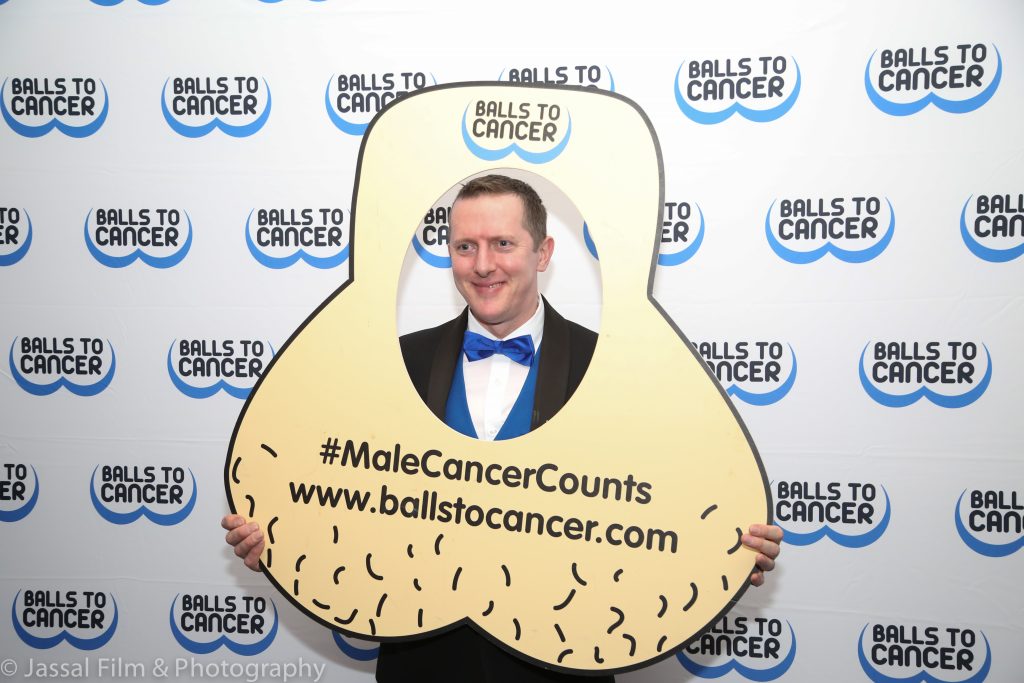
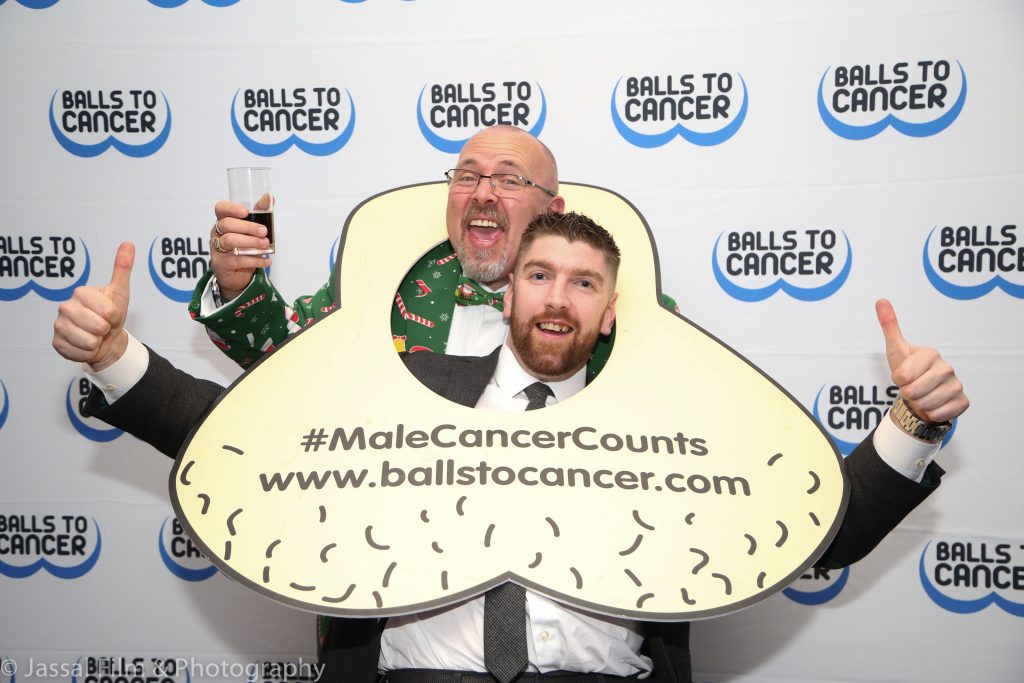
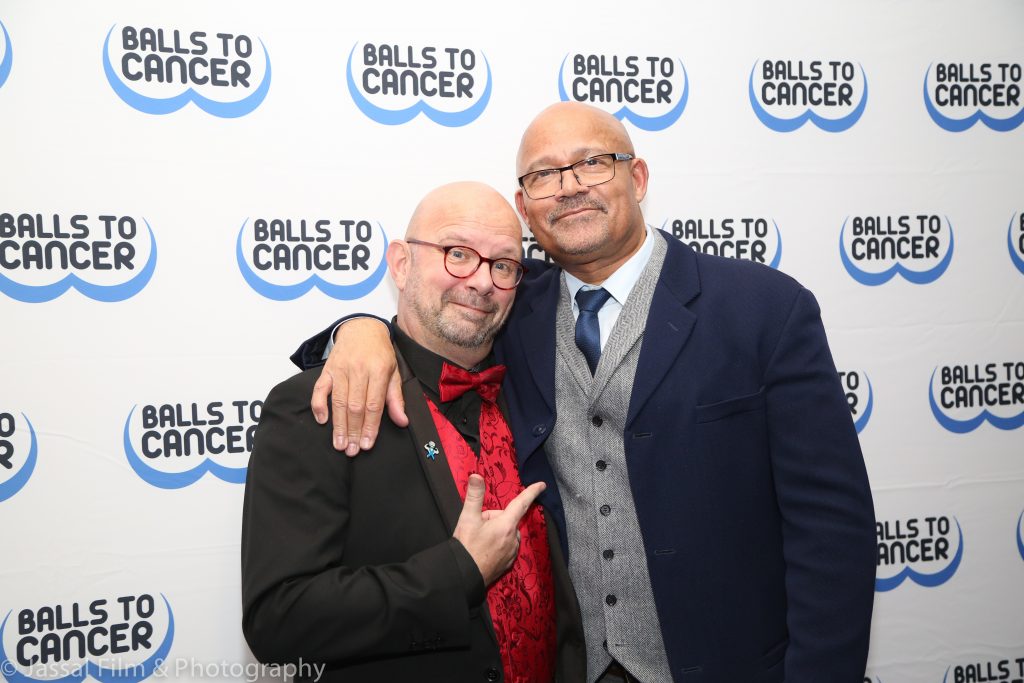
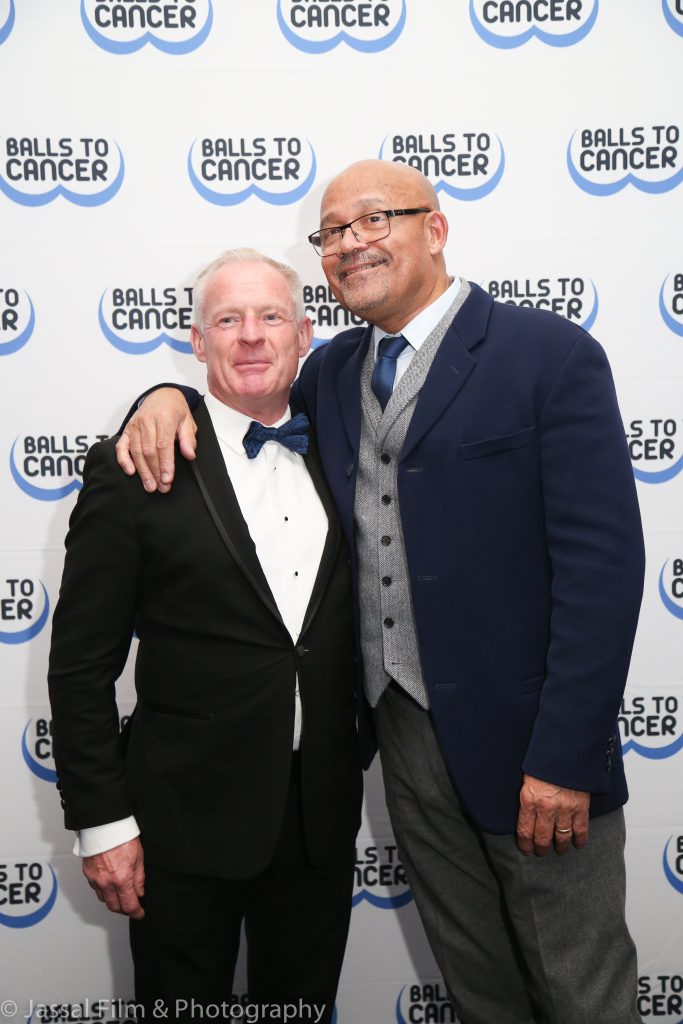
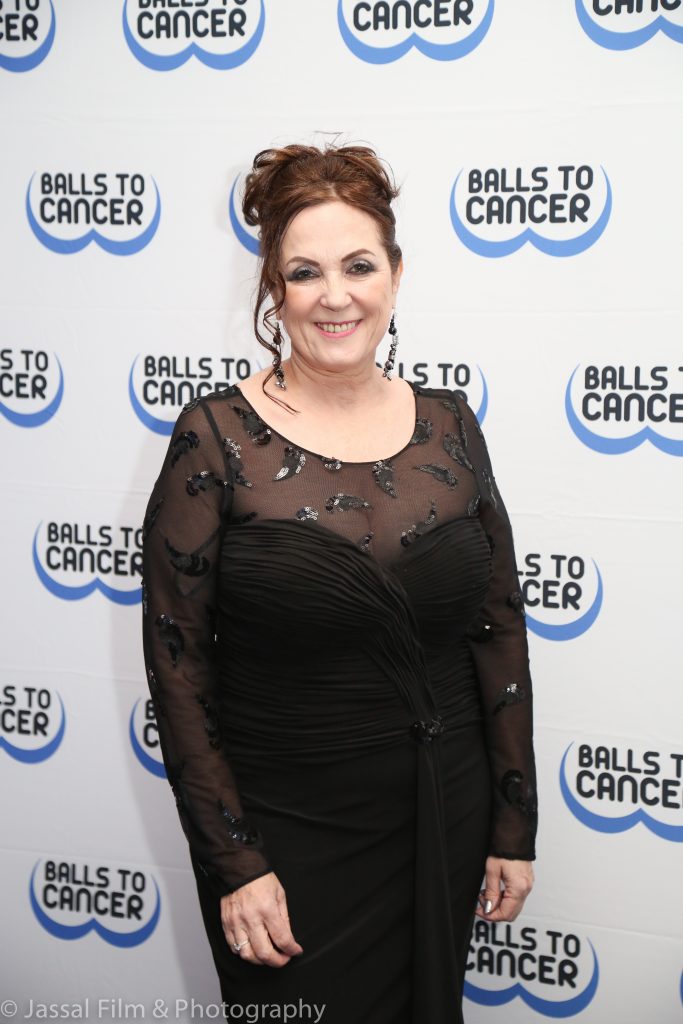
Here are the full set of brilliant official photos from our Christmas ball at the beautiful Grand Station.

We would like to thank the amazing Jassal Studios for another fantastic set of photos really catching the event

You can purchase hard copy photos from Jassal Studios at £10 each you can contact him via his Instagram page here https://t.co/B8t0KN5LGj or email him here info@jassalstudio.co.uk

A

Christmas ball 2022

We would love you to join us at our next Christmas ball on Friday the 25th November 2022.

We will again be holding the ball at the beautiful Grand Station in Wolverhampton.

The night will consist of a outstanding three course dinner, fantastic live entertainment and Disco until late.

There will be celebrity guests attending the night who will be happy to have a chat and selfies with you.

Tickets are £55 each or £500 for a table of ten. These prices are early bird prices which will be held until 1st April after that they rise to £65 & £600.

Tickets are available here and for the table of 10 here.

Current list of celebrities…..

Dee Kelly

Annette Badland

Akeem Griffiths

Steve Clamp

Mel Eves

Many more to be added and acts to be confirmed

Join our Balls to Cancer Ladies team with the “Great Big Green Week”

As a club that have recently signed up to the Birmingham County FA Sustainability Pledge we are requesting your support for the forthcoming Great Big Green Week activity (18-26th Sept) organised by the Climate Coalition 

What is the Great Big Green Week?

The Great Big Green Week will take place 18 – 26 September 2021, and will be the largest event for climate and nature ever seen in the UK.

Thousands of events will celebrate how communities are taking action to tackle climate change and protect green spaces, and encourage others to get involved too. 

Our Event – “Pass” on the Car

As one of the largest County FA’s in the country with upwards of 100,000 people involved in grassroots football on a weekly basis we recognise that travel behaviours form a significant part of an individual’s carbon footprint. 

Through our partners at Pledgeball we plan to encourage all those involved in grassroots football clubs across our region to commit to not using the car for all journeys under 2 miles, with those who have signed the pledge leading by example During the week we want as many participants from our active clubs as possible to use alternative ways to travel to football for example; walking, cycling, running, scooter or skateboard! And to record their actions 

The Ask

Over the build up to the week we would like you to encourage your members via your social channels, newsletters, emails and team WhatsApp groups to register at Pledgeball, recording their commitments on your club account and we can then calculate the Co2e savings, creating a league table that will be shared across our socials & website, with prizes on offer to the winners over the week. We can provide text to help with this. 

Eye cancer

Around 750 cases of eye cancer (ocular cancer) are diagnosed in the UK each year.

There are a number of different types of cancer that affect the eyes, including:

  • eye melanoma
  • squamous cell carcinoma
  • lymphoma
  • retinoblastoma – a childhood cancer

Cancer can also sometimes develop in the tissues surrounding your eyeball or spread to the eye from other parts of the body, such as the lungs or breasts.

This topic focuses on melanoma of the eye, one of the most common types of eye cancer. 

Symptoms of eye cancer

Eye cancer does not always cause obvious symptoms and may only be picked up during a routine eye test.

Symptoms of eye cancer can include:

  • shadows, flashes of light, or wiggly lines in your vision
  • blurred vision
  • a dark patch in your eye that’s getting bigger
  • partial or total loss of vision
  • bulging of 1 eye
  • a lump on your eyelid or in your eye that’s increasing in size
  • pain in or around your eye, although this is rare

These symptoms can also be caused by more minor eye conditions, so they’re not necessarily a sign of cancer.

But it’s important to get the symptoms checked by a doctor as soon as possible.

Melanoma of the eye

Melanoma is cancer that develops from pigment-producing cells called melanocytes.

Most melanomas develop in the skin, but it’s also possible for them to occur in other parts of the body, including the eye.

Eye melanoma most commonly affects the eyeball. Doctors sometimes call it uveal or choroidal melanoma, depending on exactly which part of your eye is affected.

It can also affect the conjunctiva (the thin layer that covers the front of the eye) or the eyelid.

What causes eye melanoma?

Eye melanoma occurs when the pigment-producing cells in the eyes divide and multiply too rapidly. This produces a lump of tissue known as a tumour.

It’s not clear exactly why this occurs, but the following factors may increase the risk of it happening:

  • lighter eye colour – if you have blue, grey or green eyes, you have a higher risk of developing eye melanoma compared with people who have brown eyes
  • white or pale skin – eye melanoma mostly affects white people and is more common in those with fair skin
  • unusual moles – if you have irregularly shaped or unusually coloured moles, you’re more at risk of developing skin cancer and eye melanoma
  • use of sunbeds – there’s some evidence to suggest that exposing yourself to ultraviolet (UV) radiation from sunbeds, for example, can increase your risk of eye melanoma
  • overexposure to sunlight – this increases your risk of skin cancer, and may also be a risk factor for eye melanoma

The risk of developing eye melanoma also increases with age, with most cases being diagnosed in people in their 50s.

Diagnosing melanoma of the eye

If your GP or optician (optometrist) suspects you have a serious problem with your eyes, they’ll refer you to a specialist eye doctor called an ophthalmologist for an assessment.

If they suspect you have melanoma of the eye, they’ll refer you to a specialist centre for eye cancer.

There are 4 centres in the UK, located in London, Sheffield, Liverpool and Glasgow.

It’s likely you’ll have a number of different tests at the centre, including:

  • an eye examination – to look at the structures of your eyes in more detail and check for abnormalities
  • an ultrasound scan of your eye – a small probe placed over your closed eye uses high-frequency sound waves to create an image of the inside of your eye; this allows your doctor to find out more about the position of the tumour and its size
  • a fluorescein angiogram – where photographs of the suspected cancer are taken using a special camera after dye has been injected into your bloodstream to highlight the tumour

Occasionally, a thin needle may be used to remove a small sample of cells from the tumour (biopsy). 

The genetic information in these cells is analysed to give an indication of the chances of the cancer spreading or coming back.

Treatments for eye melanoma

Treatment for melanoma of the eye depends on the size and location of the tumour.

Your care team will explain each treatment option in detail, including the benefits and any potential complications.

Treatment will aim to conserve the affected eye whenever possible.

The main treatments for eye melanoma are:

  • brachytherapy – tiny plates lined with radioactive material called plaques are inserted near the tumour and left in place for up to a week to kill the cancerous cells
  • external radiotherapy – a machine is used to carefully aim beams of radiation at the tumour to kill the cancerous cells
  • surgery to remove the tumour or part of the eye – this may be possible if the tumour is small and you still have some vision in your eye
  • removal of the eye (enucleation) – this may be necessary if the tumour is large or you have lost your vision; the eye will eventually be replaced with an artificial eye that matches your other eye

Chemotherapy is rarely used for eye melanoma, but may be suitable for other types of eye cancer.

The Cancer Research UK website has more information about the treatment options for eye cancer and the types of eye cancer surgery.

Outlook for eye melanoma

The outlook for melanoma of the eye depends on how big the cancer is at the time it’s diagnosed and exactly which parts of the eye are affected.

Overall:

  • about 8 out of every 10 people (80%) diagnosed with a small eye melanoma will live for at least 5 years after diagnosis
  • about 7 out of every 10 people (70%) diagnosed with a medium-sized eye melanoma will live for at least 5 years after diagnosis
  • about 5 out of every 10 people (50%) diagnosed with a large eye melanoma will live for at least 5 years after diagnosis


Ewing sarcoma

Ewing sarcoma is a rare type of cancer that affects bones or the tissue around bones.

It mainly affects children and young people, but is also seen in adults. It’s more common in males than females.

Symptoms of Ewing sarcoma

Symptoms include:

  • bone pain – this may get worse over time and may be worse at night
  • a tender lump or swelling
  • a high temperature that does not go away
  • feeling tired all the time
  • unintentional weight loss

Affected bones may also be weaker and more likely to break. Some people are diagnosed after they have a fracture.

The legs (often around the knee), pelvis, arms, ribs and spine are the main areas affected by Ewing sarcoma.

Tests for Ewing sarcoma

Ewing sarcoma can be difficult to diagnose because it’s quite rare and the symptoms can be similar to lots of other conditions.

Several tests may be needed to diagnose the cancer and see where it is in the body.

These tests may include:

  • an X-ray
  • blood tests
  • an MRI scan, a CT scan or a PET scan
  • a bone scan – after having an injection of a slightly radioactive substance that makes the bones show up clearly
  • a bone biopsy, where a small sample of bone is removed so it can be checked for signs of cancer and certain genetic changes associated with Ewing sarcoma

Treatments for Ewing sarcoma

Treatment for Ewing sarcoma often involves a combination of:

  • radiotherapy – where radiation is used to kill cancer cells
  • chemotherapy – where medicine is used to kill cancer cells
  • surgery to remove the cancer

As Ewing sarcoma is rare and the treatment complicated, you should be treated by a specialist team. They’ll recommend a treatment plan based on where the cancer is and its size.

Talk to your care team about why they’ve suggested the treatment plan, and ask them to go over the benefits and any risks involved. You may also want to discuss what care you might need afterwards.

Radiotherapy

Radiotherapy is often used to treat Ewing sarcoma before and after surgery, or it may be used instead of surgery if the cancer cannot be removed safely.

Chemotherapy

Most people with Ewing sarcoma have chemotherapy to shrink the cancer and then surgery to remove as much of it as possible. This is often followed by further chemotherapy to kill any leftover cancer cells.

Surgery

If Ewing sarcoma affects your bones, you’ll need surgery at a specialist bone cancer centre.

There are 3 main types of surgery for Ewing sarcoma. Surgery can be used to remove:

  • the affected bone or tissue – this is called a resection
  • the bit of bone containing cancer and replacing it with a piece of metal or bone taken from another part of the body – this is called limb-sparing surgery
  • all or part of an arm or leg – this is called an amputation

If you have an arm or leg amputated, you may need a prosthetic limb and support to help you regain the use of the affected limb.

Outlook for Ewing sarcoma

Ewing sarcoma can spread to other parts of the body quite quickly. The earlier it’s diagnosed, the better the chance of treatment being successful.

It can sometimes be cured, but this might not be possible if the cancer has spread.

The cancer can also come back after treatment, so you’ll be offered regular check-ups to look for any signs of this. Some people need treatment for many years.

Around 6 out of 10 people with Ewing sarcoma live at least 5 years after being diagnosed. But this can vary and some people live much longer.

Speak to your care team about the chances of your treatment being successful.

Womb (uterus) cancer

Cancer of the womb (uterine or endometrial cancer) is a common cancer that affects the female reproductive system. It’s more common in women who have been through the menopause.

Symptoms of womb cancer

The most common symptom of womb cancer is vaginal bleeding that is unusual for you (abnormal).

If you’ve been through the menopause, any vaginal bleeding is considered abnormal.

If you have not yet been through the menopause, abnormal bleeding may include very heavy periods or bleeding between your periods.

When to see a GP

See your GP as soon as possible if you experience any unusual vaginal bleeding. While it’s unlikely to be caused by womb cancer, it’s best to be sure.

Your GP will ask about your symptoms and offer an internal examination. They will refer you to a specialist if necessary for further tests to rule out any serious problem.

Types of womb cancer

Most womb cancers begin in the cells that make up the lining of the womb (the endometrium). This is why cancer of the womb is often called endometrial cancer.

In rare cases, womb cancer can start in the muscle wall of the womb. This type of cancer is called uterine sarcoma and may be treated in a different way. Read more about soft tissue sarcomas.

Womb cancer is separate from other cancers of the female reproductive system, such as ovarian cancer and cervical cancer.

Why does womb cancer happen?

It’s not clear exactly what causes womb cancer, but certain things can increase your risk of developing it.

One of the main risk factors for womb cancer is higher levels of a hormone called oestrogen in your body.

A number of things can cause your oestrogen levels to be high, including obesity. There is also a small increase in the risk of womb cancer with long-term use of the breast cancer drug tamoxifen.

It’s not always possible to prevent womb cancer, but some things are thought to reduce your risk. This includes maintaining a healthy weight and the long-term use of some types of contraception.

Treating womb cancer

The most common treatment for womb cancer is the surgical removal of the womb (hysterectomy).

A hysterectomy can cure womb cancer in its early stages, but you will no longer be able to get pregnant. Surgery for womb cancer is also likely to include the removal of the ovaries and fallopian tubes.

Radiotherapy or chemotherapy are also sometimes given too.

A type of hormone therapy (progestogen) may be used if you have not yet been through the menopause and would still like to have children.

Even if your cancer is advanced and the chances of a cure are small, treatment can still help to relieve symptoms and prolong your life.

Living with womb cancer

Living with cancer is challenging, and womb cancer can affect your life in specific ways.

For example, your sex life may be affected if you have a hysterectomy, especially if your ovaries are removed. You may find it physically more difficult to have sex and also have a reduced sex drive.

You may find it beneficial to talk to other people about your condition, including family members, your partner or other people with womb cancer.

Neuroendocrine tumours and carcinoid syndrome

Neuroendocrine tumours (NETs) are rare tumours of the neuroendocrine system, the system in the body that produces hormones. They can be cancerous or non-cancerous.

The tumour usually grows in the bowels or appendix, but it can also be found in the stomach, pancreas, lung, breast, kidney, ovaries or testicles. It tends to grow very slowly.

Neuroendocrine tumours are sometimes referred to as carcinoid tumours, particularly when they affect the small bowel, large bowel or appendix.

Carcinoid syndrome is the collection of symptoms some people get when a neuroendocrine tumour, usually one that has spread to the liver, releases hormones such as serotonin into the bloodstream.

About 2,900 people are diagnosed with a neuroendocrine tumour each year in the UK, but not everyone with a tumour will have carcinoid syndrome.

Signs and symptoms

In the early stages of having a neuroendocrine tumour, you may not have any symptoms.

You may also not have symptoms if the tumour is just in your digestive system, as any hormones it produces will be broken down by your liver.

If symptoms do develop, they tend to be fairly general and can be easily mistaken for signs of other illnesses.

Symptoms may result from both the tumour itself and from any hormones it releases into the bloodstream.

Symptoms caused by the tumour

Symptoms will depend on where in the body the tumour develops:

  • a tumour in the bowel may cause tummy pain, a blocked bowel (diarrhoea, constipation, feeling sick or being sick) and bleeding from the bottom (rectal bleeding)
  • a tumour in the lung may cause a cough, which may make you cough up blood, and cause wheezing, shortness of breath, chest pain and tiredness
  • a tumour in the stomach may cause pain, weight loss, tiredness and weakness

Some tumours may not cause any symptoms and are discovered by chance.

For example, a tumour in the appendix may only be found when the appendix is being removed for another reason.

Symptoms caused by the hormones (carcinoid syndrome)

Typical symptoms of carcinoid syndrome include:

  • diarrhoea, tummy pain and loss of appetite
  • flushing of the skin, particularly the face
  • fast heart rate
  • breathlessness and wheezing

These symptoms may come on unexpectedly, as the hormones can be produced by the tumour at any time.

Some people may also develop carcinoid heart disease, where the heart valves thicken and stop working properly.

There’s also a risk of developing a rare but serious reaction called a carcinoid crisis, which involves severe flushing, breathlessness and a drop in blood pressure.

What causes neuroendocrine tumours?

It’s not known exactly why neuroendocrine tumours develop, but it’s thought that most occur by chance.

Your chances of developing a neuroendocrine tumour may be increased if you have:

  • a rare family syndrome called multiple endocrine neoplasia type 1 (MEN1)
  • parents or siblings (brothers or sisters) with a carcinoid tumour
  • parents with non-Hodgkin lymphoma or cancer of the brain, breast, liver, bladder or endocrine system
  • conditions called neurofibromatosis or tuberous sclerosis


You can read more about the risks and causes of neuroendocrine tumours on the Cancer Research UK website.

Diagnosing neuroendocrine tumours

A neuroendocrine tumour may be found incidentally – for example, as a surgeon is removing an appendix.

In this case, the tumour will often be caught early and removed along with the appendix, causing no further problems.

Otherwise, people usually see their GP after they have developed symptoms.

A neuroendocrine tumour may be diagnosed after carrying out a series of scans and tests, which may include measuring the amount of serotonin in your urine and having an endoscopy.

Treating neuroendocrine tumours and carcinoid syndrome

If the tumour is caught early, it may be possible to completely remove it and cure the cancer altogether.

Otherwise, surgeons will remove as much of the tumour as possible (debulking).

You can read more about the surgery for neuroendocrine tumours on the Cancer Research UK website.

If the tumour can’t be removed, but it’s not growing or causing symptoms, you may not need treatment straight away – it might just be carefully monitored. 

If it’s causing symptoms, you may be offered one of the following treatments:

  • injections of medicines called somatostatin analogues, such as octreotide and lanreotide, which can slow down the growth of the tumour
  • radiotherapy to kill some of the cancer cells 
  • a procedure to block the blood supply to the tumour (for tumours in the liver), known as hepatic artery embolisation
  • a procedure that uses a heated probe to kill cancer cells (for tumours in the liver), called radiofrequency ablation
  • chemotherapy to shrink the tumour and control your symptoms

Symptoms of carcinoid syndrome can be treated with injections of octreotide and lanreotide. 

You may also be given medication to widen your airways (to relieve wheezing and breathlessness) and anti-diarrhoea medication.

What can I do to help myself?

There are things you can do yourself to manage some of the symptoms of carcinoid syndrome.

Generally, you should avoid triggers of flushing, such as:

  • alcohol
  • large meals
  • spicy foods
  • foods containing the substance tyramine, such as aged cheese and salted or pickled meats
  • stress

Some medications, such as selective serotonin reuptake inhibitor (SSRI) antidepressants, may make symptoms worse by further increasing your levels of serotonin.

But never stop taking medication without seeking medical advice.

If you have diarrhoea, it’s important to keep drinking little and often to avoid dehydration.

Outlook

If the whole tumour can be removed, this may cure the cancer and symptoms altogether.

But even if surgeons can’t remove the entire tumour, it usually grows slowly and can be controlled with medication.

Overall, people with neuroendocrine tumours have a good life expectancy compared with many other cancers. Many people remain relatively well and lead active lives, with only occasional symptoms.

But as the tumour grows or spreads, it will produce more and more hormones, and it may eventually be difficult to completely control symptoms with medication. You may need further surgery or other treatments.

Unfortunately, life expectancy isn’t as good for a cancerous tumour that’s spread to other parts of your body because it won’t usually be possible to remove all of it. But treatment can still control your symptoms and slow down the spread of cancer.