Where have all the cancer patients gone? Our ambassador Professor Karol Sikora warns delays in diagnoses could lead to thousands of needless deaths

Words by Professor Karol Sikora, Consultant Oncologist and Medical Director, Rutherford Cancer Centres and former Director of WHO Cancer Programme


Some 30,000 people each month are normally found to have cancer and around 450 a day sadly die from the disease. There are no peaks or troughs – just a flat line which refuses to budge.

But over the last three months the number of people diagnosed has fallen precipitously. My estimate is that less than a third of the expected number of patients have been diagnosed.

Several studies – one from Cancer Research UK, one from Kings College and yet another from University College suggest a similar number. So where are the missing patients and why does it matter?

Rates of cancer in this country haven’t just dropped off a cliff, the disease will be growing, undetected, in thousands of people. They’re just not being diagnosed.

Frankly, I’m astounded more hasn’t been done. The whole reason I got involved in the coronavirus debate was to stand up for the forgotten cancer patients, everything I feared back then has happened, perhaps even worse than I imagined. 

Cancer doesn’t care about pandemics – it has its own very different agenda, it’s the unseen enemy within.

The causes of cancer are multiple, but the result is the same – the subversion of the growth control processes of a cell. The rogue cells multiply and spread beyond the confines of the organ in which they arose. Breast, colon, prostate and lung are the four commonest sites, but all organs can be affected.

Spread of cancer by a process called metastasis (from Greek meaning change of place) is lethal. Cancer cells can grow outside the organ from which they arose spreading via the lymphatic system and blood to lungs, liver, brain and bone. They leave a trail of destruction which eventually kills. 

We do have effective therapies – surgery, radiotherapy, chemotherapy and immune treatments but they all work best when the disease is localised.

Delay makes spread more likely and so the outcome of treatment will be significantly poorer. It also means that optimal care will be longer, more challenging and result in more side effects.

So here we are nearly four months into the pandemic and the numbers of new cancer patients are still frighteningly low. 

The numbers of patients consulting with GPs are slowly climbing but not nearly quick enough, continued delays in the diagnostic pathway, difficulties in scheduling surgery. So tens of thousands of people aren’t being diagnosed, and many of those who do find they aren’t getting treatment as quickly as they should.

At the start of the pandemic I would always talk in hypothetical terms about cancer, sadly it’s no longer a possibility, it’s happening.

The delays are inevitably causing upward stage migration in many patients. I’ve had far too many difficult conversations about a patient’s prognosis with them, I expect to have many more over the coming months.

There are lots of concerns around a second wave of coronavirus, and the country is rightly preparing for that but my concern is a tsunami of cancer, cardiac and other patients with serious illnesses who have been neglected the last few months.

For cancer, I expect it will come around September. If we aren’t ready the dam will burst with catastrophic effects.

My concern is a tsunami of cancer, cardiac and other patients with serious illnesses who have been neglected the last few months. Professor Karol Sikora

The backlog of cancer cases due to Covid-19 will require an emergency national response similar to the response to Covid-19 itself to prevent a full-blown health crisis in the coming months.

The stage migration of cancer with poorer outcomes was somewhat inevitable but the figures are worse than I anticipated.

So how do we fix it? We need solutions. 

  • 1. We need to make cancer centres around the country as secure as possible. Weekly testing for staff, temperature checks at the door, being ultra-cautious in the building.
  • 2. Use all available capacity. The independent sector in this country has the capability to treat tens of thousands of patients. My network, the Rutherford Cancer Centres, has increased our collaboration with the NHS over the last few months and patients who may have otherwise missed treatment received it safely at our centres. The capacity is there – let’s use it.
  • 3. Carefully monitor biopsies to predict the surge. We need to know when it will be all hands on deck so we can properly prepare. Oncologists are going to be very busy for a considerable amount of time.
  • 4. Even embracing all available capacity, it still won’t be enough. Prioritisation of patients will be needed, and sadly for patients for whom it is safe to wait that may be needed to ensure the most urgent cases are dealt with.
  • 5. Finally, weekend and evening shifts for staff. It would be wrong for machines to lie empty whilst patients are not receiving the care they need.  Within reason, we’re all going to have to make an extra effort.

We desperately need to find a balance between fear and caution. When people are too frightened to get a persistent symptom checked out for fear of catching the virus, we must have gone wrong somewhere. Of course everyone needs to be careful, but leaving a symptom unchecked could be a deadly mistake.

Back at the start of this pandemic I wrote for ITV Newstrying to sound the alarm. I wasn’t listened to and we are now seeing the consequences.

I’ve tried to steer away from apocalyptic predictions for good reason, but I will make my own now. Unless something drastically changes and quickly, in a few years we will look back in horror at the number of people we lost needlessly to cancer. People have suggested 35,000 fatalities, I suspect it could be far higher. 


An spokesperson for the NHS said: “More than 350,000 people received an urgent hospital check and 65,000 people started treatment for cancer through the peak of the pandemic, and after an entirely appropriate and necessary pausing of some screening and treatments to protect patients from the risk of the virus, the NHS is taking urgent action to increase the number of tests and treatment carried out so that more people are able to be seen quickly and safely.

“The critical point remains that anyone with a possible symptom should come forward for a check-up with their GP as they normally would.”

Source: ITV.com

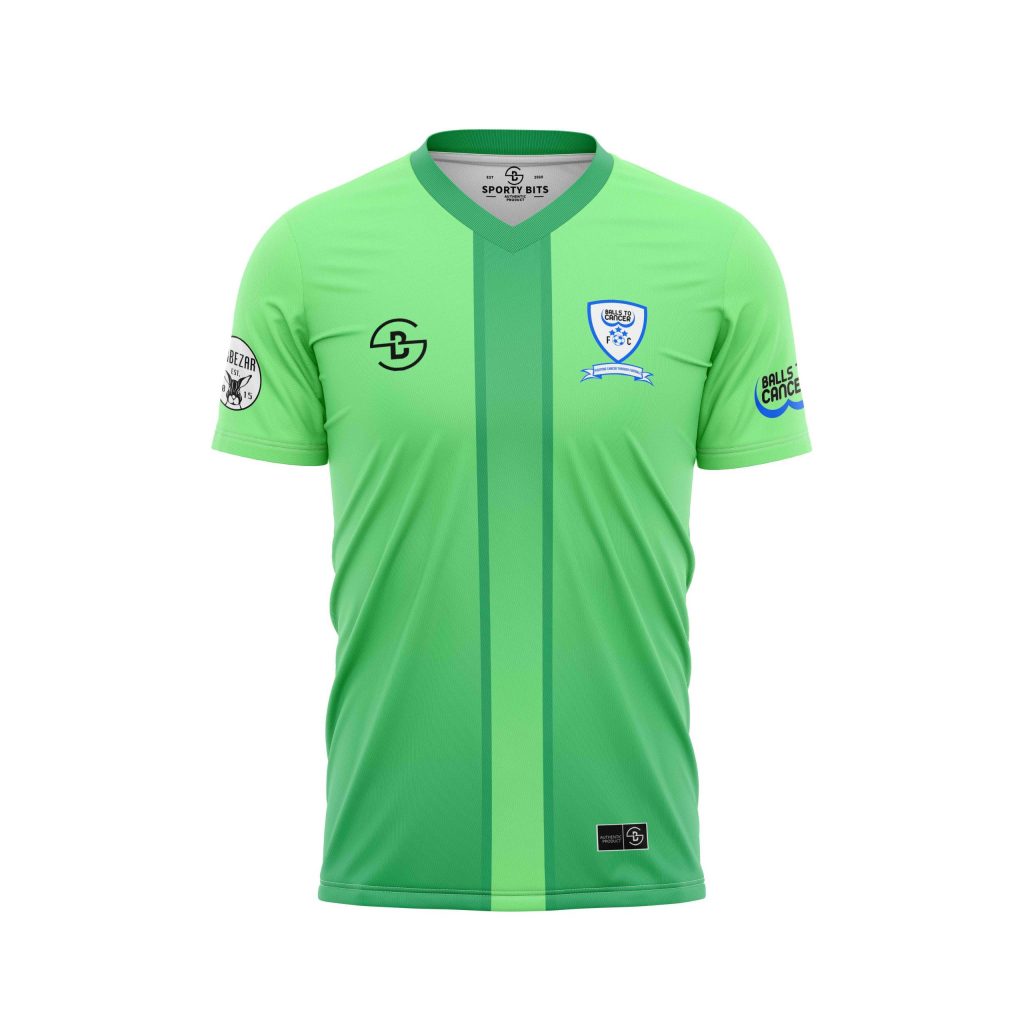
BTC Football Fans Can Wear The Kit!

We are very pleased to announce the launch of our replica football shirts.

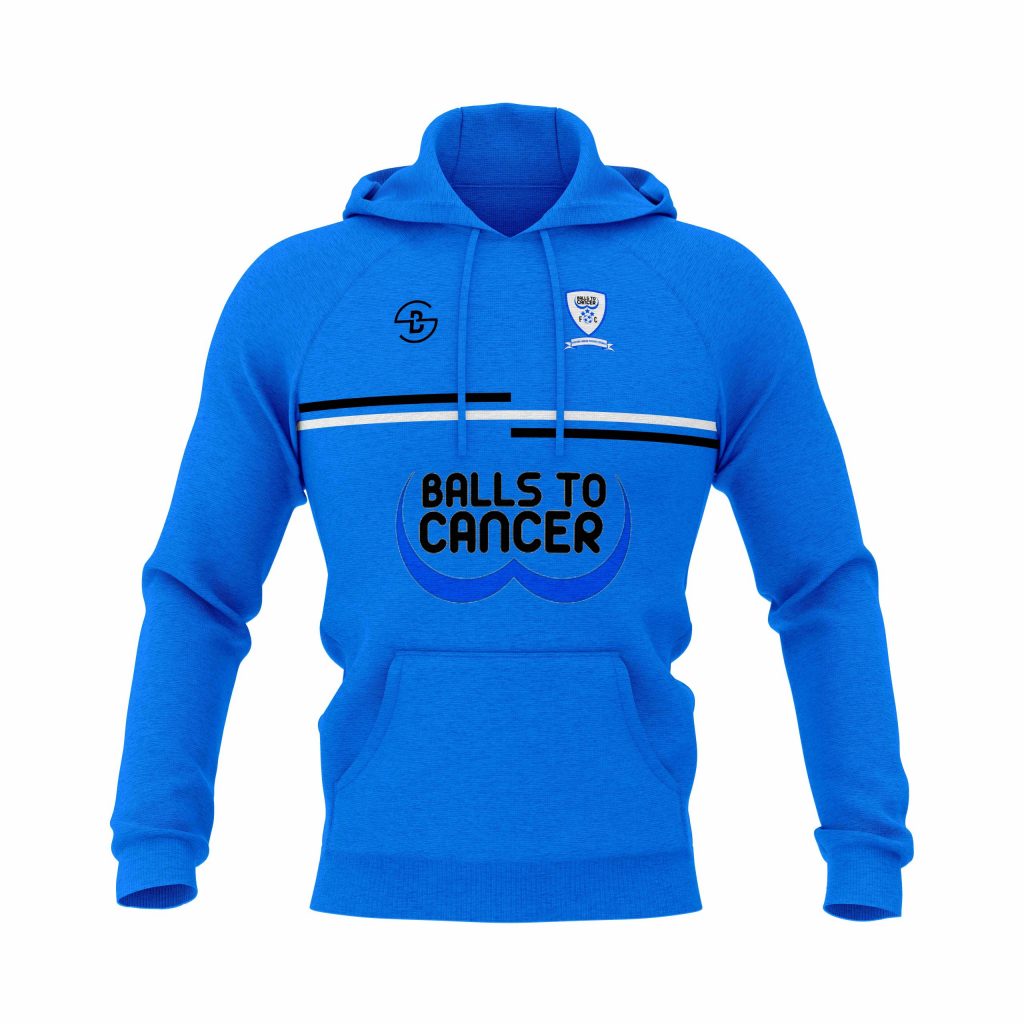
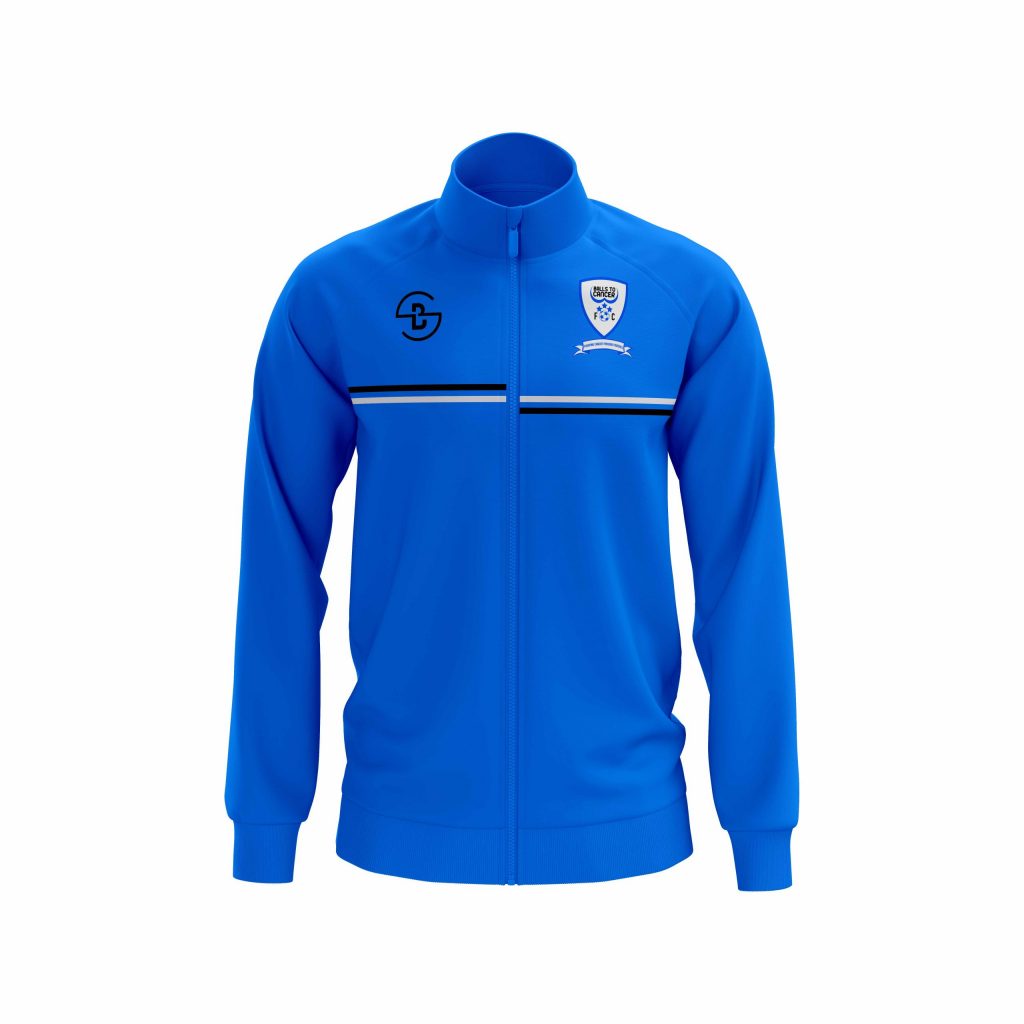
Not only do we have the home shirt but also the away, goalkeeper, hoodie, coat, tee shirts etc…. all supplied by the brilliant Sportybits.co.uk

Anything you purchase gets a donation made to BTC so not only are you supporting the team but also the charity.

Take a look at the range here

BTC Football Family continues to grow

As we approach the beginning of the 20/21 grassroots football season we are very pleased to announce that we have a new team to add to our existing Adult mens and womens teams.

We have a brilliant new under 15s boys team managed by Dean Thomas. We look forward to seeing them grow and hopefully have a great first season.

We are committed to adding more boys and girls team as soon as we can. If you know of a team or players looking for a new home then please contact us ASAP.

Balls to Cancer join One Lottery

Today we have agreed to join the fantastic One Lottery system.

So from today you can buy tickets at just £1 each to be entered into our August draw where you could win £25,000!!!

So as they say ” You have to be in it to win it ” get your tickets here

Balls to Cancer launch a kit for YOUR team

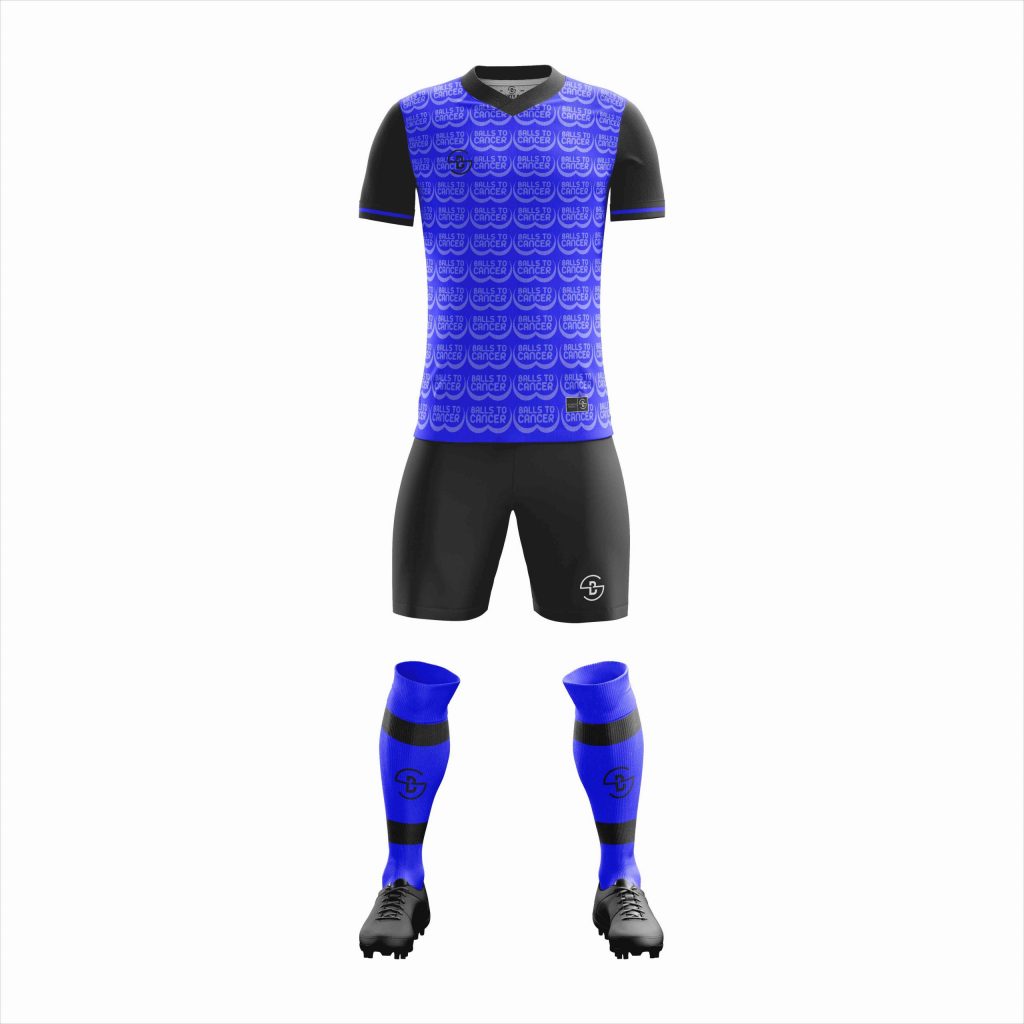
With the help of our brilliant kit suppliers Sporty Bits, we have been able to produce an amazing Balls to Cancer football kit available in various colours.

We have produced this kit in answer to calls from our supporters for a kit they can wear to support the charity.

The kits are available to buy here

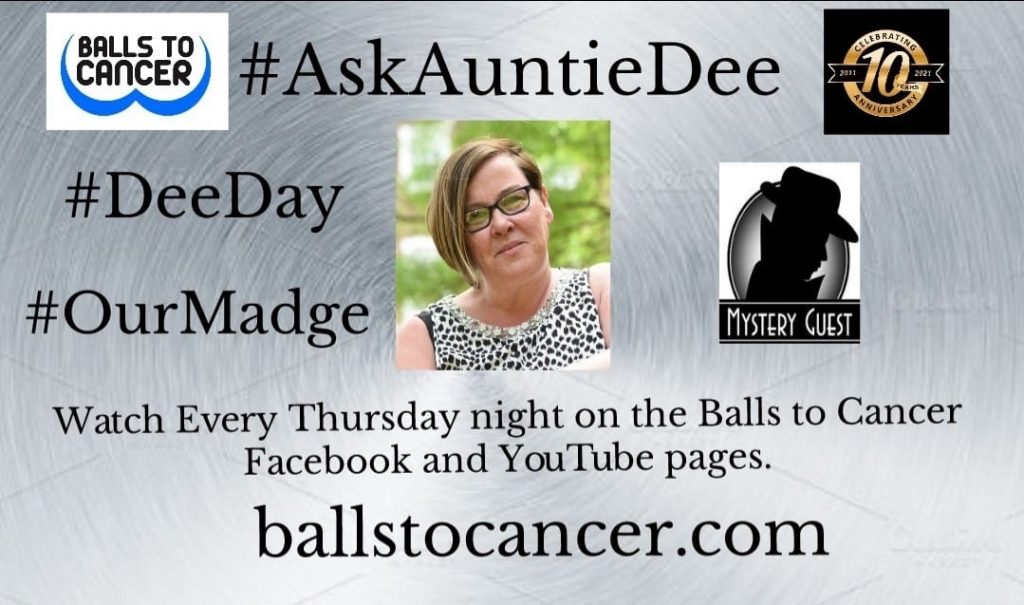
Ask Auntie Dee Live! Every Thursday Night 7-8pm

Our ambassador, Former Benefit Street and Celebrity Big Brother contestant Dee Kelly kicked off her new agony Aunt /chat show back in June 2020. The show goes out LIVE on our Facebook page here & YouTube channel here

Dee will be chatting to anyone and everyone about everything and interviewing a celebrity guest (we drop on her) every week!

So be there don’t miss out on what is always a fun night.

You got a problem yo She’ll solve it.

PREVIOUS SHOWS…

25th June First Show

2nd July (Guest Matt LeTissier)

9th July (Guest Steve Clamp)

16th July (Guest Annette Badland)

23rd July (Guest Ricky Rayment)

30th July (Guest Thomas Turgoose)

6th August (Guest Ricci Guarnaccio)

13th August ( Dee Kelly )

20th August ( Neil Razor Ruddock )

27th August (Shane Nolan)

3rd September (Charlie Lawson &Annette Badland)

10th September (Andy Whitaker)

17th September (Kellie Maloney)

24th September (Tim Healy)

1st October (Michael Starke)

8th October (Antony Costa)

15th October (Matt Hoy)

22nd October (Scott Lyons)

29th October (Deano Baily)

5th November (Cat Simmons)

12th November (Tim Hogarth)

19th November (India Willoughby)

26th November (Sean Heydon)

3rd December (Dee Kelly )

10th December (Cheryl Baker)

17th December (various guests)

7th January 21 (Ritchie Neville)

14th January (Hughie Maughan)

21st January (Rodney Marsh)

28th January (Nick & Royston)

4th February (Noel Clarke)

11th February (Cheryl Fergison)

18th February (Richard Ashton)

25th February (Mel Eves)

4th March (Trevor Michael George’s)

11th March (Jason Maza)

18th March (Ben Hanson )

25th March ( Kavana )

1st April ( Wayne Lineker)

8th April (Dominic Matteo)

15th April (Laurence Fox)

22nd April ( Apache Indian)

29th April (Andy Buchanan)

6th May (Les Dennis)

13th May (Honey G)

20th May ( Paddy Wallace)

27th May (Harry Visinoni)

3rd June (Sian Reeves)

10th June (Vicki Michelle)

17th June (Monty Panesar and Leo Goldenchild)

24th June (Tom Varndell) 1st Anniversary with surprise guests Fat Scottie and Ricci Guarnaccio

1st July BTC FC Manager (Larry Adeyanju)

8th July (Dee and Madge )

15th July ( Akeem Griffiths)

22nd July (Auntie Dee & Friends)

29th July ( Matt Jarvis )

5th August (Stephen K Amos )

12th August (Dean Windass)

19th August (Professor Karol Sikora)

26th August (Robin Windsor)

2nd September (Stuart Wolfenden)

9th September (Scott Kyle)

16th September (Sian Reeves) take 2

23rd September (Raurie “NoHun” Williams)

30th September (Dee chats to the BTC Family)

Coronavirus: Shielding to stop at end of July in England

The 2.2 million people who have been self-isolating in England during the pandemic will no longer need to shield from 1 August.

From 6 July, they will be able to meet up outdoors, in a group, with up to five others and form ‘support bubbles’ with other households.

The measures can be eased because infection rates are falling, the government says.

Support packages will remain until the end of July to help people transition.

What changes from 6 July?

Those who are shielding and live alone in England – including single parents who are shielding – will be able to create a support bubble with one other household of any size.

This follows the ‘social bubble’ rules which were introduced earlier this month for anyone living alone and single-parent households.

People shielding will also be able to meet in groups of up to six outdoors while maintaining social distancing rules.

Still shielding: ‘The novelty has certainly worn off’

What is changing from 1 August?

Extremely vulnerable people who are most at risk from becoming ill from coronavirus will no longer need to shield in England.

That means they can return to work, if they can’t work from home, as long as their workplace is COVID secure .

However, they should still follow social distancing guidelines when outside their homes and wash their hands regularly to reduce the risk of being infected.

The changes mean those shielding will no longer be eligible for statutory sick pay – unless they develop coronavirus symptoms, or someone they know develops symptoms, and they are told to self-isolate and cannot work from home.

Free essential food boxes will stop being delivered, but support from NHS volunteers and local councils is still possible.

They will still qualify for priority slots for online shopping and will be offered help with medicine deliveries and getting to medical appointments.

Why is the advice changing?

The UK government says the advice can be relaxed because the chances of encountering the virus in the community continue to fall – one in 1,700 people are estimated to have the virus now, down from 1 in 500 four weeks ago.

The government says it has worked with clinicians, GPs, charities, the voluntary sector and patient groups on the changes.

But some charities are criticising the relaxing of the advice, saying many of the people they support do not feel it is safe to stop shielding.

“We know how difficult this period has been and the impact shielding has had on many people’s mental health,” says Dr Jenny Harries, deputy chief medical officer.

“We believe it is the right time to relax some of the advice so people can start to regain a degree of normality once more in their daily lives.”

But she added the advice on shielding could change again “if there are any changes in the rates of infection that could impact on this group”.

What was the advice in England?

As the country went into lockdown, around two million people were sent letters by their GPs telling them not to leave home and to avoid contact with others.

This was to protect them from the virus because they were considered to be most at risk from Covid-19.

Among the list of people who should be shielding are solid organ transplant recipients, cancer patients undergoing chemotherapy, pregnant women with heart disease and people with severe respiratory conditions such as cystic fibrosis and severe asthma.

Over half of those shielding are under the age of 70; more than 90,000 are children.

Since the start of June, people shielding in England were told they could go out once a day – to meet one person from another household while adhering to social distancing.

From the beginning of August, that shielding advice is to be completely relaxed.

The NHS will keep the shielded list, in case more advice needs to given to this group in future.

Have things changed in Scotland, Northern Ireland and Wales?

Northern Ireland has already said people will no longer need to shield from 31 July.

But officials say this pausing of the advice will only happen if the rate of community transmission remains low.

People who are shielding and living alone in Northern Ireland will also be able to form a support bubble from 6 July with one other household.

Until then, people shielding across the UK are advised to stay at home as much as possible and to practise social distancing when they go outside.

In Scotland, the advice applies to around 180,000 people and is in place until at least 31 July.

Meanwhile in Wales, almost 130,000 people are shielding and the Chief Medical Officer for Wales says the current guidance runs until at least 16 August.

Source : BBC

Cancer experts call for urgent support as referrals drop 60% due to coronavirus pandemic

NHS England figures show that a total of 79,573 urgent cancer referrals were made by GPs in England in April 2020, down from 199,217 in April 2019

Cancer experts have warned thousands of patients who could have been saved may die unless the Government provides urgent help, after figures show the number of people sent for urgent cancer investigations has plummeted by 60 per cent due to the coronavirus pandemic.

NHS England figures show that a total of 79,573 urgent cancer referrals were made by GPs in England in April 2020, down from 199,217 in April 2019. Urgent breast cancer referrals showed an even bigger drop: down from 16,753 in April 2019 to 3,759 in April 2020, a fall of 78 per cent. The number of people in England who had to wait no more than two months from GP referral to first treatment for cancer was also down 20 per cent – from 13,519 in April 2019 to 10,792 in April 2020.

Professor Karol Sikora, chief medical officer at Rutherford Health and former head of the World Health Organisation’s cancer program, said: “The bottleneck is in the diagnostic phase. We’ve known that but we didn’t know how big it was going to be and 60 per cent is a very significant drop.

“And it’s because partly people have been too frightened to come forward and speak to their GP, and partly the poor old GPs are faced with a collapsed service: he can’t get an endoscopy or a scan because everything was shut.

“The NHS moved into Covid-19 and did incredibly well. Now, we’ve got to pick up quickly. Cancer doesn’t wait, it doesn’t take Easter off. And there’s still a lot of people out there who’ve got cancer and don’t know it.

“We are going to lose far more people to cancer than we should. I’ve spent my life fighting this relentless disease, the consequences of the delayed treatment and diagnosis we’re seeing will be severe. It’s going to take another national effort – the fightback starts today.”

‘Covid-free’ hubs

The NHS has created “Covid-free” cancer hubs in hospitals to provide surgery while private hospitals have signed an unprecedented deal with the health service to treat patients, but it has not prevented a dramatic fall in referrals.

“The dramatic fall in the number of urgent referrals and the drop in people receiving treatment on time in April is hugely concerning. It means that tens of thousands of patients are in a backlog needing vital cancer care.

Professor Peter Johnson, NHS national clinical director for cancer, said: “These figures show that over the last three months NHS staff have been working incredibly hard to ensure that essential and urgent cancer treatment has been able to go ahead safely for thousands of people.

“But they also show what we have heard already, that many people have put off seeing their GP for possible symptoms due to fear of catching the virus or not wanting to burden staff. Lives are saved if more people are referred for checks, so my message to anyone who has a worrying symptom is: the NHS is here for you and can provide safe checks and treatment if you need it, so please help us help you, and get in touch with your local GP like you usually would.”

A&E attendances fall

Separate figures from NHS England show the number of patients admitted for routine treatment in hospitals in England in April 2020 was 41,121 – a sharp fall of 85 per cent on the equivalent number for April 2019 (280,209).

Source: I News

UK Radon map: Hotspots for cancerous radioactive gas revealed

It causes more premature deaths than drink-driving across the country, and is the leading cause of lung cancer.

Across the UK, there are many areas where a cancerous radioactive gas called Radon can be found – with some locations in higher concentration that others.

Here’s what you need to know.

What is Radon – and how hazardous is it?

Radon is a ‘colourless and odourless’ natural radioactive gas that is formed by the radioactive decay of small amounts of uranium in rocks and soils.

The gas can also be found in water and some building materials, which means it can be detected in homes.

Public Health England (PHE) say every building contains radon but the levels are usually low.

The chances of a higher level depend on the type of ground. PHE have published a map showing where high levels are more likely.

PHE say: “The darker the colour the greater the chance of a higher level.

“The chance is less than one home in a hundred in the white areas and greater than one in three in the darkest areas.”

According to the map, areas including the South West, the Midlands, the Pennines, Cumbria and Northumberland are indicated as hotposts in England. 

Much of Wales has also been identified as a hotspot area, plus parts of Aberdeenshire and the Highlands in Scotland.

There are also high levels in various spots across Northern Ireland.

What can we do about radon?

The concentrations in each area can vary from home to home, and all depend on the geological characteristics underneath the building, plus construction details, and also the living styles of the occupants.

Currently, the official advice is that all homes in affected areas should be tested for radon.

Can radon levels vary over time?

Yes they can – the radon levels in a property can vary significantly over time.

This is due to aspects such as weather conditions and seasonal changes. Therefore, it is recommended that tests should run over the course of a three-month period.

How can I carry out a test of my home?

Public Health England offer Home Measurement Packs to check the levels over a three-month period.

They can be bought by visiting: https://www.ukradon.org/services/orderdomestic

How can I check if there is a high risk of Radon in my area?

To check if your area has a high risk of Radon, use the map here: https://www.ukradon.org/information/ukmaps.

Source: Dudley News

Blood test for cancer that is 10 times more sensitive developed by scientists

A new blood test for cancer that is 10 times more sensitive than existing technology has been developed by Cambridge scientists – potentially paving the way for pinprick tests that can tell whether patients are relapsing.

The scientists developed the approach using personalised genetic testing of a patient’s tumour to search blood samples for hundreds of genetic mutations in tumour DNA released by cancer cells into the bloodstream.

The technique is so sensitive that in some cases experts pinpointed a single mutant DNA molecule among a million pieces of DNA. They say it could lead to tests that more accurately determine if a patient is likely to relapse after having treatment.

Detecting circulating tumour DNA in blood samples is known as a liquid biopsy and is a key part of monitoring patients, in particular after they have received treatment, as it can show if it has been successful or if they are at risk of a relapse.

However, the approach is dependent on having a high enough number of mutant pieces of DNA to detect. If it is too low, it could produce a negative test even if patients have residual cancer

The research, published in the journal Science Translational Medicine, said that, by analysing the genetic make-up of an individual’s tumour and targeting personal mutations, the biopsies can become more sensitive.

Until recently, liquid biopsies searched for up to 100 mutations at most, but the new technique looks for hundreds and sometimes thousands of mutations in each blood sample, increasing the chances of success.

Researchers hope the approach will eventually mean less blood is required, enabling tests to be carried out on pinprick blood samples carried out by patients at home and sent to a laboratory for analysis.

This would mean patients travelling fewer times to hospital for checks and allow them to be tested more often.